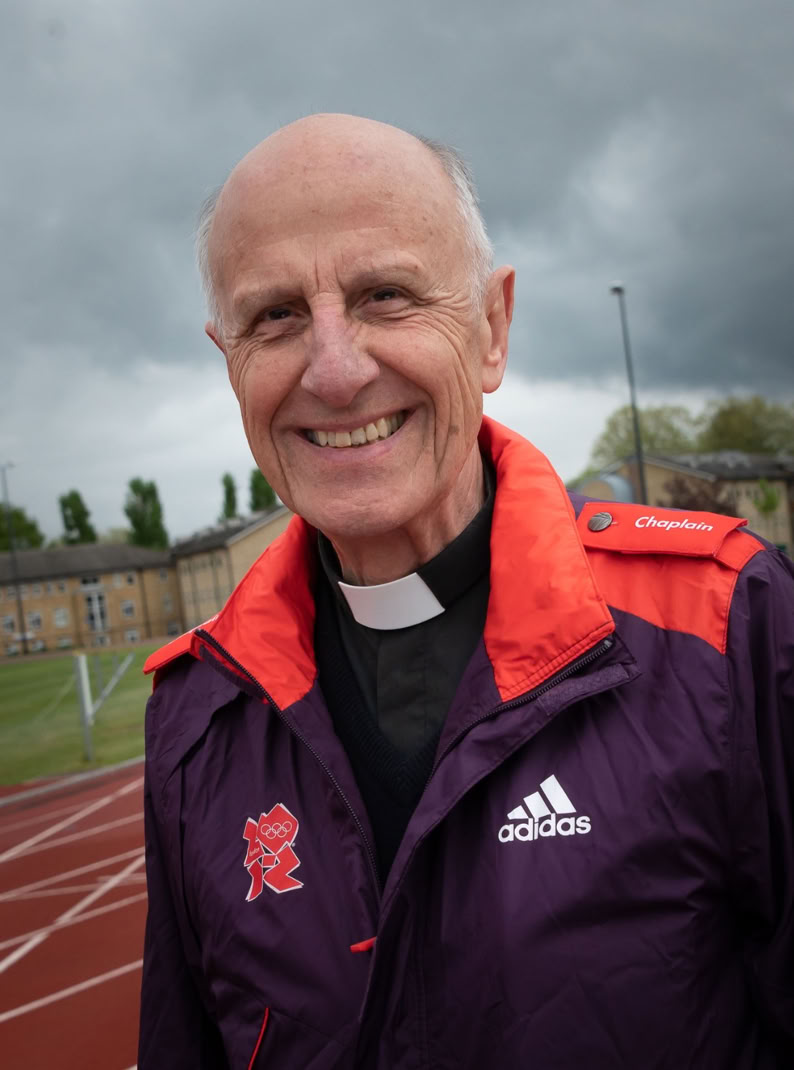
Prof. Msgr. Vladimir Felzmann aka Father Vlad
still working to help God make this World a better place
Prof. Msgr. Vladimir Felzmann aka Father Vlad
still working to help God make this World a better place
The global spread of sports that had their origins in Britain was central to the development of modern sports in the 18th and 19th centuries and is one of theBritish Empire’s important cultural legacies.
English colonialism spread modern sports globally by enforcing British cultural values, using games like cricket, football, and rugby to foster solidarity, discipline, and "civilization" across the Empire. Settlers, soldiers, and schools established clubs, with cricket acting as a, particularly potent tool to promote imperial ideals and social hierarchy.
The British viewed sport, particularly cricket, as a way to impart British culture, morality, and "fair play" to local populations, often replacing traditional recreational activities.
Army officers introduced games, and local cricket/social clubs became focal points of community life, bringing together colonial settlers and, eventually, local elites.
British public-school methods and values - emphasizing "muscular Christianity," character, and fitness - were transplanted through schools established for colonial elites.
The codification of rules (e.g., football, rugby, cricket) in Britain meant these sports were exported as structured, organized, and standardized activities.
The spread of railways and trade routes allowed for the rapid expansion of sports and the establishment of international competitions.
While originally intended to affirm cultural superiority and maintain order, these sports were eventually embraced and often reclaimed by colonies (such as India and the West Indies), transforming them into lasting local traditions and industries.
French colonialism spread sports likefootball, rugby, and cycling across Africa, Asia, and the Caribbean as tools of cultural assimilation and imperial control during the late 19th and early 20th centuries. Officials, soldiers, and schools introduced these, often restricting access to Europeans initially, while later using them to project soft power and foster unity.
Sports were spread by colonial troops, officials, traders, and missionaries.
Physical education was used in colonies to impose European values, discipline, and, in some regions, to distinguish colonizers from native populations.
Football (soccer) became the most widespread, alongside rugby, cycling, and tennis.
In North Africa (the Maghreb), sports were initially restricted to Europeans, while in other colonies, they were used for education.
Former colonies in Africa maintain strong, direct links to French athletics and football, with many players of African descent featuring in the French national team.
The modern game of football(soccer) is generally accepted to have originated in England. TheFootball Association, the game’s first organization, was founded in England in 1863, and the first football match played between England and Scotland - the oldest rivalry in the sport - was at Glasgow in 1872. English football fans can follow three national divisions and the celebrated premiership, which includes such legendary clubs asManchester United,Arsenal, andLiverpool FC. Scotland has three national divisions as well and a premiership that features the Celtic and Rangers clubs of Glasgow; Wales and Northern Ireland also have national leagues. The Scottish and English national teams regularly appear in international competitions. In 1966 England hosted and won theWorld Cup; it was the third host nation to win the championship.
In the early 1960s, French-speaking countries of Africa—including France—organized the Friendship Games. The first games were held in Antananarivo, Madagascar, in April 1960, and were known as the Community Games, or French Community Sports Games.
The second games in Abidjan, Ivory Coast in December 1961, and the third and last games—with countries from outside the former French Community countries participating— were held in Dakar, Senegal in April 1963.
African Ministers of Youth and Sport met in Paris in 1962. As a few English-speaking countries were already participating, they renamed the games as the Pan African Games. The Games were granted official recognition by the IOC as being on par with other continental games such as the Asian Games and the Pan American Games.
Prof. Msgr. Vladimir Felzmann aka Father Vlad
send Father Vlad a message
msgr.vladimir.felzmann@gmail.com
+44 (7810) 116 508
copyright Prof. Msgr. Vladimir Felzmann